
What Is A Commonplace Journal? (And How To Start One From Scratch)

A commonplace book has apparently been a famous type of journaling for centuries, and some of the most brilliant people in history kept one. I ended up stumbling on it almost by accident, but it quickly became one of my favorite journals to keep.
And since you’re here, you probably want to learn how to keep one yourself, so I’ve prepared a detailed guide that covers everything you need to start a commonplace journal.
I’m sharing my own experiences keeping one, ideas on what you might want to include in yours, some supply recommendations, and, of course, answers to the most burning questions.

A commonplace journal is the net that captures all the little pieces of your life that have no other home, be it random shower thoughts, crazy business ideas, or just opinions on the latest episode of your favorite show.
And since I started intentionally keeping one, it has changed the way I read, listen, watch, and think. I analyze more. I retain more. I make connections between ideas I never would have noticed before.
We have a lot to cover in this ultimate guide, so let’s dive in and start from the basics.
This post may contain affiliate links. They will be of no extra expense for you, but I receive a small credit. Please see my Disclosure for more details. Thank you for supporting Masha Plans!
What Is A Commonplace Journal?
A commonplace journal — also called a commonplace book — is a personal notebook where you collect anything from the world around you that you don’t want to forget.
Quotes. Lyrics. Book passages. A line from a podcast that stopped you mid-commute. A recipe you’ve made three times this month. Something a friend said that you want to remember forever. Anything that made you pause and think: I don’t want to lose this.

The key distinction — and this is important — is what a commonplace journal is NOT. It is not a diary or a regular journal, which is about your own thoughts and feelings. It is not a Bullet Journal, which is a planning and productivity system. A commonplace journal is a curated collection of the world’s ideas, filtered through your personal taste and curiosity. It sits alongside your other journaling practices, not instead of them.
I don’t want to get too “high school essay” type, but honestly the best description of a commonplace journal was given by the Roman philosopher Seneca (yes, this is how long this type of journaling has been around).
He compared keeping a commonplace journal to being a bee. You fly from flower to flower — book to book, podcast to podcast, film to film — gathering the best of each. And over time, you combine it all into something uniquely yours: your honey, your thinking, your perspective.
I found that especially in this world of mindless consumption, a commonplace book really helps me make even the smallest moments and experiences matter.
Commonplace Journal vs. Bullet Journal vs. Diary — What’s The Difference?
If you’re already a Bullet Journaler, this is probably your first question: how does this fit in with what I’m already doing? Do I need a whole new notebook? Is this just another thing to maintain?
Great questions. Here’s the clearest way to think about it:
| Bullet Journal | Diary / Regular Journal | Commonplace Journal | |
| What goes in | Tasks, plans, trackers | Your thoughts & feelings | Ideas & wisdom from the world |
| Chronological? | Yes | Yes | Not necessarily |
| The focus | Organizing your life | Processing your inner world | Collecting the outside world |
| The goal | Productivity & planning | Self-reflection | A personal library of wisdom |
These three are not rivals. They are a dream team.
Unlike a diary, which primarily records your daily experiences and emotions, a commonplace journal usually begins with ideas, words, or observations you encounter. You can still add your own reactions and reflections.
Your Bullet Journal organizes your life — your tasks, plans, habits, goals. Your diary processes your feelings — your inner world, your experiences, your growth. Your commonplace journal captures everything worth keeping from the world outside you. Each one does something the others can’t.
Here’s something worth knowing: many Bullet Journalers, including me, naturally start adding commonplace elements to their BuJo without realizing it. Quote pages. Book notes. A page of lyrics. A collection of ideas from a podcast series. If you’ve ever done this — you’ve already started.
You can keep your commonplace journal as a dedicated section in your existing Bullet Journal, or give it its own notebook. Both work beautifully.

My honest recommendation for beginners: start inside your BuJo. Add a few pages at the back and label them “Commonplace.” Test the habit before you commit to a whole new notebook. Once your collection grows and you find yourself filling those pages fast, that’s when you graduate to a dedicated journal. You’ll know when you’re ready.
What Do You Put In A Commonplace Journal?
Here is the only rule: if it made you stop and think “I don’t want to forget this” — it belongs in your commonplace journal. That’s the entire filter.
If you need more inspiration, here’s what people put in theirs — and yes, all of this counts:
- Quotes from books, podcasts, films, conversations, or social media — anything said by anyone that hit you somewhere
- Book passages that hit harder than you expected — a paragraph, a page, even just one devastating sentence
- Song lyrics that feel like they were written specifically about your life
- Poems you want to return to when you need them
- Podcast or YouTube moments — a statistic, an argument, an idea that stopped you mid-commute and made you want to pull over
- Film or TV dialogue that captured something true about being human
- Words you looked up and loved — their meaning, their origin, the feeling of them
- Recipes that became household favorites (yes, this is traditional — people have done this for centuries)
- Ideas for creative projects, business, writing, or life — things you want to come back to
- Observations — something you noticed on a walk, a conversation overheard on the bus, a moment of beauty you want to keep
- Lessons learned from your own experiences, not just things you’ve read
- Advice from people you trust and admire — the kind that stays with you
- Affirmations or mantras that resonate with where you are right now
- Things to research — topics that sparked your curiosity and that you want to explore when you have more time
- Lists — books to read, films to watch, places to visit, things to try
My personal commonplace journal is all about entertainment I consume – books and anime mostly, plus reviews and thoughts on different educational videos and articles I read.

There is a link at the end of this post to my personal commonplace journal.
The Benefits Of Keeping A Commonplace Journal
Okay — so now you know what it is. But why actually bother? Here is the honest case, benefit by benefit.
1. It’s Your Second Brain — Everything Worth Keeping Lives In One Place
How many times have you tried to remember a quote you loved and had absolutely no idea where you read it? Or known a good idea is written down somewhere in one of your notebooks but had no way to find it? That is the problem a commonplace journal solves.
It offloads the cognitive weight of trying to hold onto things mentally, and gives your brain permission to actually think rather than just store.
This is sometimes called having a “second brain” — an external system that holds your best ideas so your actual brain doesn’t have to. Your commonplace journal is the original analog version of that concept, and it has been working for people since ancient Rome.


2. You’ll Actually Remember What You Read, Watch, And Hear
Here’s a frustrating truth: passive consumption barely leaves a mark. You can read a book that changes your life and might forget 90% of it within a month. Not because you weren’t paying attention — but because the act of reading alone isn’t enough to create lasting memory.
Writing something down by hand changes that. The physical act of copying out a passage, a lyric, or an idea forces your brain to process it at a completely different level. You slow down. You engage. You actually absorb it. The things you write in your commonplace journal are the things that stay with you.
This also has made me a sharper, more thoughtful consumer of everything I read, watch, and listen to.
3. It Sparks Creativity
Creativity does not come from a blank page. It comes from the collision of ideas — from two things that had no business being next to each other suddenly sparking something new between them.
When you have a notebook full of thoughts from wildly different sources — a Stoic philosopher next to a song lyric next to a recipe next to a line from a sci-fi novel — unexpected connections start appearing. You see a theme running through things you collected months apart.
An idea that seemed random suddenly connects to three others. This is where creative breakthroughs actually come from, and your commonplace journal is the place where those connections have room to exist.

![SAKURA Gelly Roll MoonLight (Made in Japan) [Limited Edition] Gel Ink Pen Set - Bold Sparkling, Glittering & Assorted Colors 12Pens](https://m.media-amazon.com/images/I/51r32df3yBL.jpg)
4. It Helps You Discover Who You Actually Are
What you choose to collect reveals your values, your obsessions, your evolving taste, your fears, your hopes. You don’t decide this consciously — it just shows up in what you write down.
Flip back through six months of entries, and you’ll see yourself with startling clarity. You keep coming back to the same themes. Certain ideas recur across completely different sources. You notice what moves you, what unsettles you, what you’re quietly working through. It is one of the most honest forms of self-discovery available — and it requires zero navel-gazing, because you’re looking outward, not inward.
This turned out to be a pretty extensive list, but honestly, I couldn’t choose just one or two of the benefits; all of these seem so important and impactful!
How To Start Your Commonplace Journal — Step By Step
Here is everything you need to go from zero to your first entry — no complicated system required.
Step 1: Choose Your Notebook
First decision: do you want to dedicate a section of your existing Bullet Journal, or use a separate notebook?
If you are brand new to this, I’d genuinely suggest starting inside your BuJo. It keeps everything in one place and means you’re not buying a new notebook before you know whether the habit will stick.
Of course this implies that you are still new to journaling, since I imagine most journalers like myself have way too many empty notebooks haha
If you already know you are a collector — if you’ve been building something like this informally for a while — then a separate dedicated notebook is a beautiful choice. As always, I’d recommend a dot grid since it allows for a lot of freedom.
(There are some stationery recommendations further down the blog post, so be sure you keep on scrolling.)
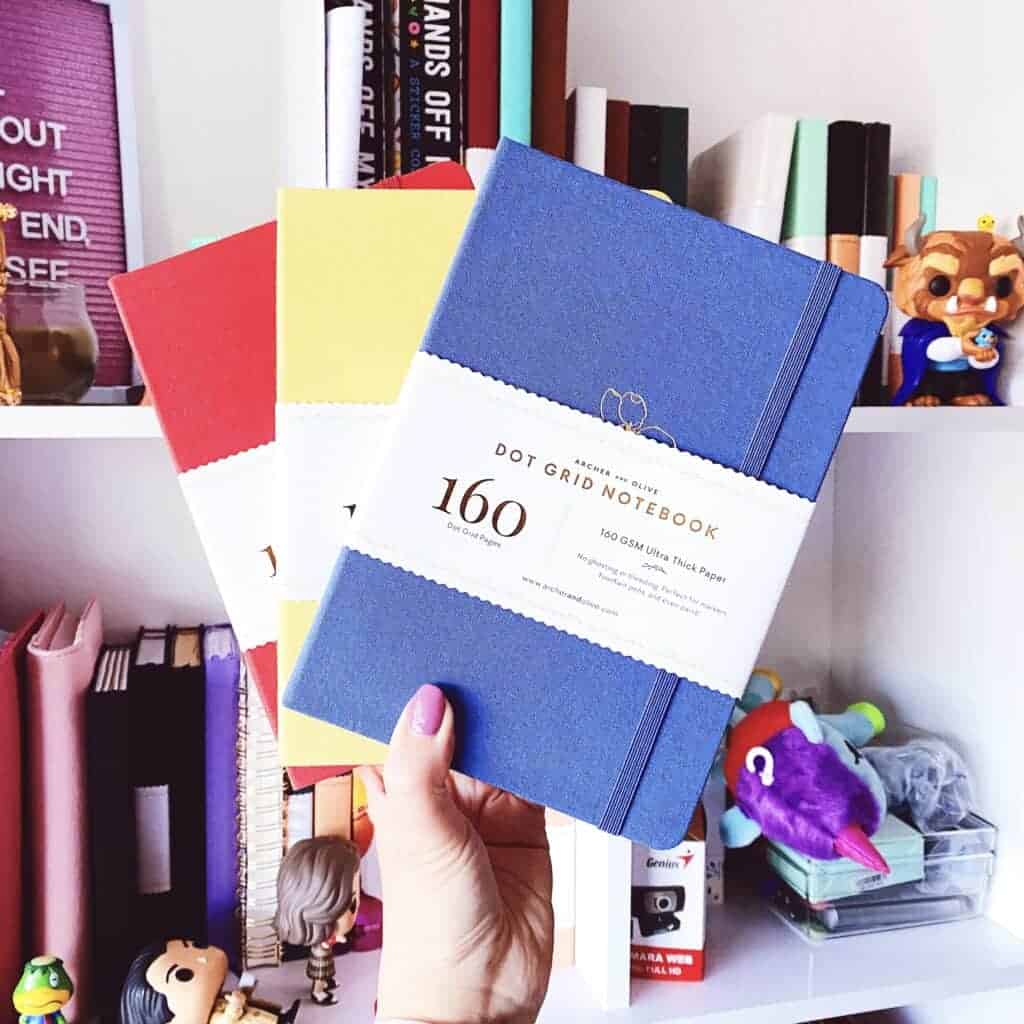
For easy navigation and if you’re planning to use an index (see the next step), you might want to consider a journal with numbered pages.
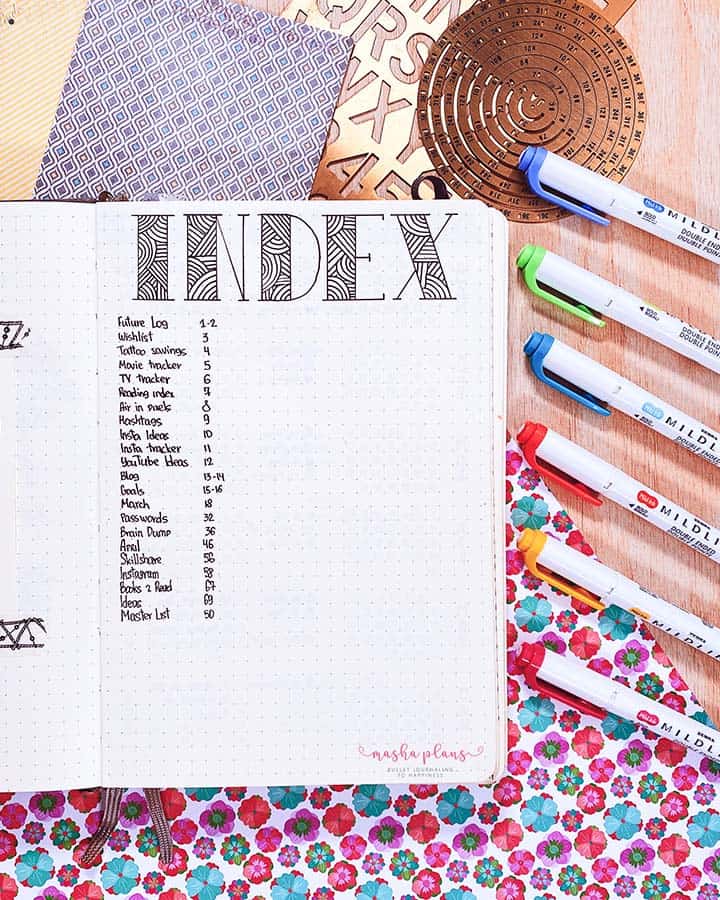
Step 2: Set Up Your Index
This is not obligatory (I don’t use this page myself), but if you’re worried about how to organize your pages and need an easy way to navigate your journal, this could be your answer.
Leave the first 2–4 pages blank and write “Index” at the top. That’s it for now. As you fill in entries, come back and note what kind of entry is on what page.
If you are a Bullet Journaler, you already know exactly how to do this — it’s the same indexing logic you use in your BuJo.
Step 3: Write Your First Entry Right Now
Not when the setup is perfect. Not when you have found the ideal notebook. Right now, with whatever you have closest to you.
Think of the last thing you read, heard, or watched that you didn’t want to forget. Write it down. That is your first entry.
Now what and how you write is completely up to you; however, if you need some guidance to get started, here is the format I would recommend.
The format for each entry is simple: the thing that moved you → where it came from → why it hit you. That’s the whole system. Three elements. You can add more complexity later if you want it, but this is all you actually need.
Step 4: Build Your Capture System
You will not always have your notebook with you, and that’s fine. Use your phone as a temporary capture tool — screenshots, voice memos, the notes app. When something hits you, and you can’t write it down immediately, capture it digitally so you don’t lose it.
Then, once a week — Sunday evening, Saturday morning with coffee, ten minutes before bed on a weeknight, whatever works for you — transfer your captures into your journal properly. Write them out by hand.
This weekly transfer session is where the magic actually happens. The act of handwriting what you’ve collected is where retention kicks in. It also becomes a ritual — a quiet, intentional moment to sit with the things that moved you that week and actually absorb them.
Since I work from home, for me it’s easy to note things in my commonplace journal right away – all of my things are right there available. But I also have Sunday afternoon as my reset day where I look back through all my notes and stuff and make sure I didn’t miss anything to add to my journal.


Step 5: Make It Yours — Function First, Beauty Second
No rules about how it has to look. Write neatly if that brings you joy. Write messily if you just want to catch the idea before it escapes. Decorate with washi tape and stickers if that’s your thing. Leave it completely plain if it isn’t. Sketch. Colour. Or don’t.
The prettiest spread in the world means nothing if the habit doesn’t stick. Start functional. Add beauty as you go. Your commonplace journal should feel like yours — not like anyone else’s aesthetic vision for what it should be.
How To Organize Your Commonplace Journal
To be honest, when it comes to organizing my commonplace journal, I don’t really care. I just write the first thing on the first page – flipping through the journal. Looking for something specific is a pleasure in itself.
However, I know it is important to many people, so here are a few approaches you can try and see what works best for you.
- Option A — By Theme or Topic
Dedicate sections to recurring themes: Love. Creativity. Courage. Grief. Nature. Funny Things. Wisdom. Philosophy. Recipes. You write entries into the relevant section as you go.
It’s great if you have clear, consistent obsessions and want to flip to a theme quickly.
The downside: you have to decide your categories upfront, which can feel like a lot of pressure before you’ve even started.
- Option B — By Media Type
Separate sections for: Books / Podcasts & YouTube / Films & TV / Conversations / Recipes / Things To Research. You write entries into the section based on where they came from.
This works beautifully if you consume a lot of content across many different formats and want to filter by source. If you want to find everything you’ve ever written from a podcast, it’s all in one place.
- Option C — Chronological With Tags (Recommended For Beginners)
Just write in order as things come to you. Mark each entry with a small symbol or tag — B for book, P for podcast, a small heart for personal favorites, a star for urgent importance — and keep your index updated as you go.
Zero planning required before you start. Your system will reveal itself naturally once you see what you actually collect. This is by far the lowest-friction way to begin, and the one I’d recommend to anyone who has never done this before.
One more often-overlooked tip: build in a monthly flip-through. Ten or fifteen minutes to browse your entries with no agenda, no plan, just reading. This is where all the ideas start talking to each other.
Connections appear between entries from months apart. Themes emerge. You realize you have been thinking about the same thing from ten different angles. This review is worth its weight in gold.
Supplies You’ll Need
The good news: you need almost nothing to start. A notebook and a pen are genuinely all that is required.
But if you want to set yourself up well, here’s what I’d look for:
- I always prefer a dot grid notebook; it provides enough guidance without taking away from the page design. My personal favorites are Archer & Olive (code MASHA10 for 10% off); they have paper thick enough to handle multiple pen types without bleed-through. But I’ve also been loving using my Scribbles That Matter journals.
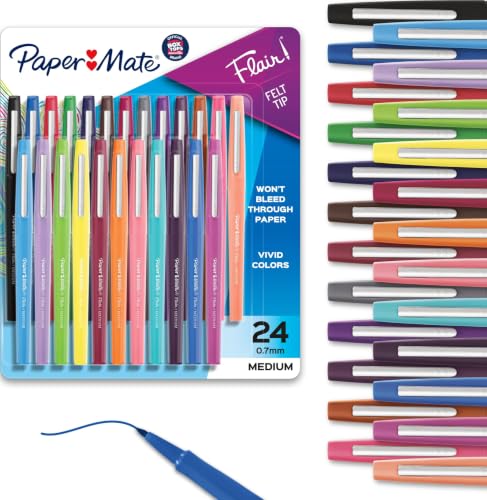
- Your everyday writing pen — whatever you love writing with. No rules here whatsoever. I have been obsessed with my Unipin JetStream pen.
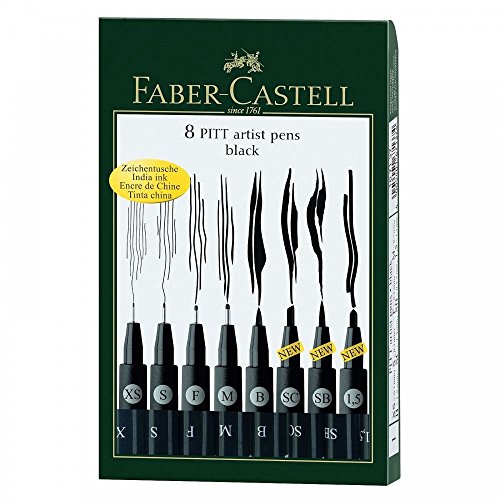
- A fine liner for neater headers or entries you want to write beautifully — Staedtler and Sakura Micron are both great options.
- A brush pen or two for section headers and decorative touches if that’s your style. I would start with Tombow Fude – they are easier to master for beginners and are great for smaller details.
- Washi tape — for dividers, tabs, and making your pages feel like yours. There are washi tapes of all styles and aesthetics you can think of; I always recommend checking out Washi Tape Shop.
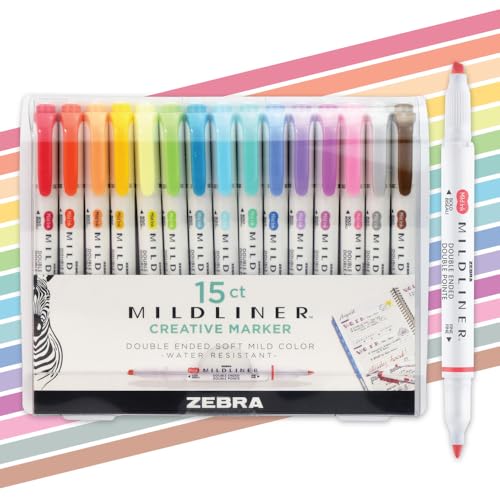
- Markers – if you’re generally the type of person to add more color to your journals. Which markers depend on your personal preferences; I would recommend Zebra Mildliners or Crayola Super Tips (the latter comes with so many colors and is pretty affordable too).
That is genuinely all you need. The habit is free. The supplies are a joyful optional extra.
This is pretty much all there is to it to get started with a commonplace journal, and in case you want
Your Commonplace Journal Is A Map Of What Moves You
I genuinely wish I’d known about this practice properly when I first picked up my Bullet Journal in 2018. I’d been building something like it accidentally — quote pages here, book notes there, a lyric tucked onto a random page — without understanding what I was actually doing or how to make it useful.
Now that I intentionally keep one, something has shifted. I pay closer attention to what I consume. I remember more. I think more deeply about what I’m reading, watching, and listening to.
And when I flip back through my entries, I see a portrait of myself that no mirror could ever show me — what I cared about three years ago, what I care about now, what I keep coming back to no matter how much time passes.
So here is your homework: grab whatever notebook is closest. Flip to a blank page. Write down the last thing you read, heard, or watched that you didn’t want to forget. Write where it came from. Add it to your index.
That’s it. That’s your first entry. You’ve started.
Free Printables
Not everything has to be hand-drawn from a blank page — sometimes the easiest way to test an idea is to print it and drop it right in.
In the Resources Vault, you’ll find 50+ free printables — trackers, lists, and pages you can print out and try in your commonplace book before committing to designing your own version.
If you don’t have access yet, sign up in the form below. Once you confirm your subscription, you’ll get the password to unlock 50+ free printables, stickers, and worksheets you can start using today.
More Resources
Now you have everything one ever needs to know to get started with a commonplace journal. But if you have any more questions, be sure to leave them in the comments!
Plus, here are a few more blog posts for you to check out next:
- My Favorite Commonplace Journal Ideas (And Why You Need One)
- 70 Things To Do With An Empty Notebook
- How To: Memory Keeping In Your Bullet Journal
>>> Have you kept a commonplace journal before, or are you just discovering this for the first time? What kinds of things do you collect? Tell me in the comments below!
Hope this post was interesting. If you find it so, please share! If you enjoy my content and want to show your appreciation, please consider supporting me with a cup of coffee.
And remember: Keep Journaling, and Don’t Be A Blob!