
35 Shadow Work Journal Prompts To Know Yourself Better

Shadow work journal prompts help you look at the parts of yourself you usually push aside: the irritation you swallow, the habits you can’t explain, the reactions that feel bigger than the moment. I’ve been journaling since 2018, and honest answers to the right questions have given me some of my most useful pages.
That’s what these shadow work prompts are for. You don’t need any background in psychology, just a pen, a quiet corner, and a little curiosity.
Here are 35 gentle shadow work journal prompts for beginners, grouped by theme, plus a simple way to ease into the practice without pressure.

Shadow work can sound mysterious or intense, and I get why. But in practice it’s just honest journaling: noticing what triggers you, what you hide, and which patterns keep repeating, then writing about it with curiosity instead of judgment.
Honest is the key word here. For a long time, I only wrote about the nice things in my journal: my plans, my goals, my cute doodles. The first time I wrote down something honest and messy, I felt strangely lighter afterward, and I’ve been a fan of honest pages ever since.
My journal stopped being just a place to organize my life and became a close friend that actually helped me through it.
That’s also why I love prompts for this. A tracker shows you what happened, while a prompt makes you stop and ask why, and that question is usually where the honest page begins. Used together, they’re a great way to spot patterns, so every group of prompts ends with a Bullet Journal tie-in.
Pick one prompt, skip the rest for now, and go at your own pace. Be sure to check the end of the post as well, because there’s a 7-day starter plan that turns a few of these prompts into your first week of shadow work, plus free printables you can use in your Bullet Journal right away.
A Quick Note Before You Start
Shadow work can bring up tender things, especially the prompts about childhood and relationships. I’m not a therapist, and this post is meant for everyday self-reflection, not as a replacement for professional care.
If you’ve been through something painful, consider working through these with a licensed therapist, and skip any prompt that feels like too much. Closing the notebook is always allowed.
If you’re struggling or thinking about hurting yourself, please reach out to a mental health professional or someone you trust.
What Is Shadow Work?
The idea comes from the psychologist Carl Jung, who used the word “shadow” for the parts of ourselves we hide, ignore, or never learned to accept, often because at some point they didn’t feel welcome. Think of the feelings you brush off with “I’m fine,” the traits you judge in other people, or the habits you repeat without knowing why.
The shadow isn’t only the “bad” stuff, either. Sometimes it holds things you were taught to tone down, like ambition, anger, creativity, or needing more than you let on.
Shadow work is simply the practice of noticing those parts with curiosity instead of judgment. And journaling is one of the easiest ways to do it, because the page doesn’t interrupt you, react, or take sides.
Asking yourself big questions on a blank page can feel intimidating, and that’s exactly where prompts help.
- Start without overthinking. A specific question is much easier to answer than “write about yourself.”
- Go deeper than a diary entry. A good prompt asks why, not only what happened.
- Stay curious, not critical. Prompts are phrased as questions, so you can explore instead of accusing yourself.
- Spot patterns. Reread your answers a week later and notice what keeps repeating.
This post may contain affiliate links. They will be of no extra expense for you, but I receive a small credit. Please see my Disclosure for more details. Thank you for supporting Masha Plans!
How To Start Shadow Work Journaling
You don’t need a ritual or a special notebook, but a few small habits make this practice feel safer and easier to keep up.
- Pick a calm moment. Not right after an argument and not when you’re exhausted. A quiet evening or a slow weekend morning works well.
- Start with one prompt. Set a timer for 10 minutes and write without stopping to edit.
- Write the honest version first. Nobody is reading this, so skip the polite answer. If privacy worries you, keep your notebook somewhere safe.
- Swap “why am I like this?” for “what’s going on here?” Curiosity gets you much further than criticism.
- Close the session gently. Take a few slow breaths, drink some water, and write one kind sentence to yourself before you go on with your day.
- Stop if it gets heavy. You never have to finish a prompt. Close the notebook and do something comforting.
And remember, just like with any other journaling, the important thing is to start and to write. Worrying about how it looks, choosing a perfect notebook and the right pen – these are fun things to do, but don’t let them drag you down and delay the start of actual journaling.
OK, I think you’re ready, so let’s look at the prompts.
35 Shadow Work Journal Prompts (For Beginners And Beyond)
I grouped these into seven themes so you can start with whatever feels most relevant. If you’re new to this, I’d begin with triggers or masks and save the childhood prompts for a day when you have time and energy.
There’s no right order. Remember, your journal is yours and follows your rules; you choose the prompts you want to do, and you don’t need to finish an entry if it becomes too much. Do as much or as little as feels right at the moment.
Prompts For Understanding Your Triggers
I think these are the basics to start with. Your triggers are telling you so much about your inner world, emotions, and feelings. SO here are a few questions that can help you notice your triggers more and learn about yourself.
1. What did someone say or do recently that bothered me more than I expected?
Start with what actually happened, then write what you felt. The small moments with big reactions are usually the most useful clues.
2. When I react strongly, what story am I telling myself about what just happened?
Try two columns: what happened, and what I decided it meant. The gap between them is where a lot of insight lives.
3. Which qualities in other people annoy me the most, and could a small piece of that live in me?
Sometimes the traits we dislike in others point to something we’ve pushed down in ourselves. “Maybe a tiny bit” is a perfectly good answer.
4. Who am I envious of, and what does that envy say I want?
Envy is information. Write down the want without the shame attached.
5. What situations make me feel small, defensive, or like I have to prove myself?
List your top three, then look for what they have in common.
Bullet Journal tie-in: set up a simple trigger log with four columns: date, what happened, what I felt, and what I needed. After a few weeks, the patterns show up fast. Obviously, this is a page I can’t easily share since it is a bit too personal for the internet.



Prompts For Your Inner Critic
My hardest battles are with my inner critic, and I think these questions really helped me hear when it’s my thoughts and when it’s the critic, and build some distance from those thoughts.
6. What is the harshest thing my inner voice says to me, and whose voice does it sound like?
Write the exact words. Sometimes the voice turns out to belong to a parent, a teacher, or an old boss, and not to you at all.
7. What is my inner critic trying to protect me from?
Critics often believe they have a job: keeping you safe from rejection, embarrassment, or failure. Write down what it’s afraid of.
8. Which flaws do I work the hardest to hide from other people?
You’re not fixing anything here, just listing. Naming them takes away some of their power.
9. Which parts of my personality do I tone down around other people?
Your opinions, your humor, your ambition, your enthusiasm. Note who you tone it down for.
10. What do I believe I have to do or be to deserve love, rest, or respect?
Those “shoulds” are usually inherited. Write them out, then ask who handed them to you.
Bullet Journal tie-in: after a heavier prompt like these, I like to balance the page out with my “things I love about myself” list.

Prompts For Your Inner Child
These can be tender, so go slowly and skip any that don’t feel right today.
11. What did I learn as a child about which emotions were okay to show and which weren’t?
Crying, anger, excitement, needing help. Write what the adults around you did when you showed each one.
12. What messages about love, money, or success did I absorb growing up without anyone ever saying them out loud?
Think about what you overheard, what got celebrated, and what was never discussed.
13. What role did I play in my family (the helper, the peacemaker, the quiet one), and do I still play it?
Roles that kept us safe as kids can quietly follow us into adult life.
14. What did I love doing as a kid before I cared what anyone thought, and what happened to it?
Drawing, singing, building things, writing stories. It might be worth bringing back one small piece of it.
15. What did I need as a child that I didn’t always get, and what would a small version of that look like today?
Go gently with this one. It could be as simple as an earlier bedtime, a long hug, or being told it’s okay to rest.
Bullet Journal tie-in: fill a page with doodles of your childhood favorites, like cartoons, snacks, and toys. It’s a sweet way to end a heavier session and a nice reminder of what used to make you light up.
For this example, it’s a page of my favorite food with childish, cute little expressions.

Prompts For Relationships And Patterns
Whatever the relationship, whether with friends, family, or romantic partners, I think you deserve to pay attention to yourself and your behavior. These questions will help you notice interesting patterns about yourself and the people around you.
16. What pattern keeps showing up in my relationships, whether with friends, family, work, or love?
Look at your last three relationships or conflicts and write what they have in common.
17. Where do I say yes when I mean no, and what am I afraid will happen if I say no?
Write the fear out in full. It’s usually smaller on paper than it is in your head.
18. Who do I feel I have to perform for, and what do I hide around them?
Notice how your body feels when you’re around that person. Tight shoulders and a held breath tell you a lot.
19. What do I quietly resent doing for other people?
Resentment is often a sign that a boundary is missing. No judgment, just notice.
20. What am I hoping someone will finally give me, like approval, an apology, or an invitation, and can I offer part of it to myself?
You can’t control whether it arrives, but you can decide what you give yourself in the meantime.
Prompts For Anger, Shame, And Hard Emotions
One of the most useful things journaling has taught me is how hard it can be to simply name what I’m feeling. These prompts take it one step further: not just what I feel, but why it keeps showing up.
21. What does my anger look like (loud, quiet, sarcastic, tearful), and what is it usually protecting?
Anger often covers something softer, like hurt or fear.
22. Which emotion makes me feel ashamed when it shows up, and why?
Anger, jealousy, sadness, neediness. Write down which ones you try to hide and where you learned they were “too much.”
23. What do I do to avoid feelings I don’t want to feel?
Scrolling, staying busy, oversleeping, overworking. No judgment here. These are coping skills, and they usually started for a reason.
24. When was the last time I cried, or wanted to, and what was it really about?
Sometimes what we cry about is only the last straw. Write down what came before it.
25. What feeling am I carrying that I’ve never said out loud to anyone?
Write it here first. This page is private, and putting it into words is already a big step.
Bullet Journal tie-in: naming feelings gets easier when you have a word bank to pick from. Add a feelings wheel page to your Bullet Journal and pair it with a mood tracker, so your words and your color-coded days tell the same story.
Prompts For Masks And Hidden Strengths
These prompts really took me a long time to work through, but ultimately I think it was worth it.
26. What mask do I wear most often (the capable one, the cheerful one, the easygoing one), and what would happen if I took it off for an hour?
Who would notice? How would you feel? Write both answers.
27. What part of me do I keep hidden because it doesn’t fit who I think I should be?
Give that part a name, a few adjectives, even a little doodle.
28. Which strengths or talents did I downplay so I’d seem humble, likable, or less intimidating?
This is the lighter side of shadow work: gifts we hid along with everything else. Pick one thing you could stop shrinking.
29. What do I secretly want that feels too selfish or embarrassing to admit?
Wanting things isn’t a flaw. Write it down and see how it looks in daylight.
30. If I stopped caring what people expected of me, what would change first?
Keep it small and concrete. The first change is rarely the dramatic one.
Bullet Journal tie-in: draw a simple outline of yourself and label the different parts: the capable one, the shy one, the creative one, the tired one. A doodled map of your “parts” is a fun way to see that you’re a whole lot of people at once.
Prompts For Self-Compassion And Integration
Shadow work isn’t about fixing yourself. These last prompts are about making peace with what you’ve found.
31. What would it look like to accept the parts of myself I’ve been fighting?
Accepting doesn’t have to mean loving them. Start with simply not fighting for a minute.
32. What is something I’ve judged about myself that makes more sense once I think about what I’ve been through?
Many of our “flaws” started out as ways to cope.
33. What would I say to my younger self, and what do they most need to hear?
Write it as a short letter. Keep it kind and keep it simple.
34. Which of my “difficult” traits (stubbornness, sensitivity, intensity) have also served me well?
Almost every trait has a flip side. Write both.
35. What is one small way I can show up as my whole self this week?
Pick something tiny and doable, like sharing an opinion in a meeting or saying no to one thing.
What To Do With Your Answers
Writing is only half of the practice. Here’s how to get more out of what’s on the page.
- Wait a week, then reread. You’ll notice things you couldn’t see while you were writing.
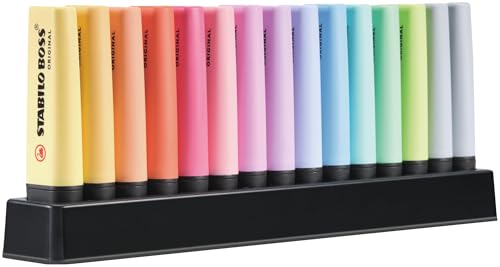
- Highlight repeated words and themes. Colored highlighters are great for this.
- Start a patterns page in your Bullet Journal where you jot down what keeps coming up: triggers, people, situations, feelings.
- Pick one tiny action. One boundary, one honest conversation, or one thing you stop hiding.
- Keep the kind voice on. If you wrote something harsh about yourself, add one sentence of compassion right next to it.
An easy way to work through these steps is to add some reflection time at the end of the week. Maybe make it part of your Sunday routine and reflect while setting up your weekly spread for the next week.
You can also create a weekly spread with a bit of extra space where you can write a few words on the go when you notice a trigger or a feeling.
My go-to method is keeping a little notebook with me at all times, writing things down, and then, at the end of the week, reflecting and thinking it through.


7-Day Shadow Work Starter Plan
If 35 prompts feels like a lot, start here. This plan takes one prompt from each group, so you get a gentle taste of everything in a single week.
- Day 1: Prompt 1 (triggers)
- Day 2: Prompt 6 (inner critic)
- Day 3: Prompt 14 (inner child)
- Day 4: Prompt 17 (relationships)
- Day 5: Prompt 22 (hard emotions)
- Day 6: Prompt 26 (masks)
- Day 7: Prompt 35 (integration), then reread your week
To track it in your Bullet Journal, you can make a small weekly tracker and add it to your current weekly spread.
Missed a day? Just pick up where you left off, because a slow week still counts. And if one day’s prompt doesn’t feel right, swap it for any other prompt from the same group.
If doing this every day feels like too much (after all, these are some pretty heavy questions), feel free to take a break. Here is another way to approach it. It is slower, but I prefer starting with this, since I usually need some extra time to think things through.
In this version, you spend two days on each prompt. On the first day, you write your answer. On the second day, you come back, reread it, and notice how it feels now. A heavy question often looks different after a night’s sleep, and you might find something you want to add.
- Day 1: Write Prompt 1 (triggers)
- Day 2: Revisit Prompt 1
- Day 3: Write Prompt 6 (inner critic)
- Day 4: Revisit Prompt 6
- Day 5: Write Prompt 14 (inner child)
- Day 6: Revisit Prompt 14
- Day 7: Write Prompt 17 (relationships)
- Day 8: Revisit Prompt 17
- Day 9: Write Prompt 22 (hard emotions)
- Day 10: Revisit Prompt 22
- Day 11: Write Prompt 26 (masks)
- Day 12: Revisit Prompt 26
- Day 13: Write Prompt 35 (integration)
- Day 14: Revisit Prompt 35, then reread your two weeks
You don’t need to write much on revisit days. Just reread your answer and ask yourself:
- How do I feel reading this now?
- Is there anything I want to add, change, or take back?
- Did anything surprise me?
And here you go: all the tools, tips, and tricks to start your shadow work.
Free Bullet Journal Printables
There are free habit and mood trackers in the Resources Vault, plus journaling printables you can use alongside your prompts.

If you don’t have access yet, you can always sign up in the form below.
Once you confirm your subscription, you’ll get the password to get 50+ free Bullet Journal printables, stickers, and worksheets to use right away.
If you’ve never used printables before, be sure to check my post How To Use Printables In Your Bullet Journal.
It’s pretty basic, and you can find all the supplies you need in my post Supplies For Using Bullet Journal Printables.
More Resources
Want more ways to use your journal for self-reflection and well-being? Check out these posts next:
- 30 Journal Prompts For Mental Health When Your Mind Feels Full
- Monthly Reflection Journal Prompts: 45 Questions To Close Every Month
- Journaling for Beginners: An Easy Guide To Getting Started
>>> Which of these shadow work journal prompts are you going to try first? Tell me in the comments!
Hope this post was interesting. If you find it so, please share! If you enjoy my content and want to show your appreciation, please consider supporting me with a cup of coffee.
And remember: Keep Journaling, and Don’t Be A Blob!