
Bullet Journaling Ideas For Beginners
Here are some fantastic Bullet Journal ideas to get you started with your creative planning adventures!
So you’ve got a brand new notebook, maybe some colorful pens, and you’re staring at that first blank, dotted page. It can feel a little intimidating, right? I’ve been there!
My first journal was full of smudges and pages I wasn’t totally in love with. But the secret is just to start.
The beauty of the system is its complete flexibility. You can create anything you want, and there’s no right or wrong way to do it.
This post is packed with simple and fun dot journaling ideas for beginners. We’ll explore easy layouts, useful collections, and creative ways to make your journal both functional and beautiful from day one. You’ll have a planner you adore in no time.
A dot journal is really a wonderful item – it’s a blank canvas where everything is possible! This is incredible because you get a chance to make something that is uniquely yours and works perfectly for your custom needs.
At the same time, such a wide variety can be overwhelming, and I totally get it if you feel like you’re stuck and frozen by all the choices, not even knowing where to start.
And that’s where I come in with this blog post and others in my series on Bullet Journaling for beginners! It will help you get started and create that perfect journal.
At the end of the post, you can also get access to 50+ FREE Bullet Journal printables so you can play around with different pages with no time or effort needed.
Choosing Your Bullet Journaling Ideas
So, you’ve just cracked open your first dot journal, you aren’t quite sure what you’re doing yet, so you hop online looking for some direction.
Suddenly, you’re staring at 20 or 30 different spread ideas, feeling like you absolutely need every single one of them! You spend hours setting them all up, only to find yourself drowning in the sheer volume of trackers and daily entries you have to fill out.
Before you know it, your Bullet Journal ends up in the planner graveyard alongside all the other agendas that didn’t quite work out.
That is exactly why I don’t want to just throw a list of ideas at you. Instead, I want to share some tips on how to actually choose the pages that will be useful for you and help you crush your goals.
Here are a few recommendations on how to figure out which pages to try in your brand-new journal:
- Start with the basics. Just as you wouldn’t build a house without pouring the foundation first, don’t jump into complex Bullet Journaling without establishing the fundamentals. Start with the core collections and basic pages, then expand as you get comfortable.
- Think about your needs. Your Bullet Journal should be a reflection of your actual life, catering to your unique priorities. Do you need a page to track your health goals or plan that dream vacation? Go for it! It’s your journal, and you call the shots.
- Experiment freely. Remember mixing paints as a kid just to see what crazy colors you’d get? Tap into that curiosity and play around with your pages! Some ideas will click instantly, others might not work at all, but that discovery is part of the fun.
- Keep it simple. While it’s tempting to turn your Bullet Journal into a masterpiece à la Van Gogh, its main purpose is to keep your life organized. Feel free to get artistic if that brings you joy, but never feel obligated to.
Remember, the beauty of this system lies in its flexibility. Your journal will evolve with you, so never feel stuck with the same pages or formats forever.
My final (and maybe most important) tip is this: don’t try to do everything at once.
It’s great to experiment and try new formats, but it should never feel overwhelming. I recommend trying just one new page a month. See how it works for you during those 30 days. If it helps you stay organized and happy, keep it for the next month. If not? Let it go without guilt.
This post may contain affiliate links. They will be of no extra expense for you, but I receive a small credit. Please see my Disclosure for more details. Thank you for supporting Masha Plans!
Stationery Recommendations
First, let’s take a minute to talk about supplies you’ll need. You don’t really need all of these, but it will help you create cuter pages and make them faster as well.
Here are some of my favorite supplies that I’m sure you’ll love using as well:
- A good journal. Your notebook is your canvas, and actually, whether you’ll have ghosting or bleeding in your journal depends on the quality of your paper. So, picking a good journal is important. I love using Archer and Olive journals (get 10% off with my code MASHA10), but you can definitely start with something more budget-friendly, like a Lemome notebook.
- Fineliners. Fineliners are the blood of every page, so I recommend you get a good set. My top pick is Sakura Pigma Micron, which also comes with different nib sizes so you can add more variety to your lines.
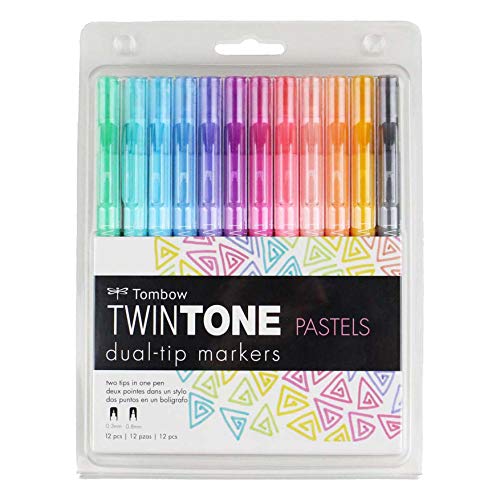
- Markers. If you want to add color to your journal pages, I recommend you get Crayola Super Tips. They come in many colors and are pretty affordable. Plus, you can also use them for brush lettering.
- Stencils. As a beginner, you’re probably still struggling a bit with the creative side of Bullet Journaling. Well, it all becomes easier if you use stencils! From functional ones to help you set up pages faster to decorative ones to add beautiful doodles and lettering to your pages – they are perfect for transforming your journaling game. I recommend trying out this set of stencils.



I can talk about stationery endlessly, but this is not what this post is about. So let’s quickly move to the page ideas.
Bullet Journaling Ideas For Beginners
For this blog post, we will keep it simple to only include 13 pages, so that you don’t get overwhelmed and have all the basic information you need.
If you are looking for more ideas, you can check the links at the end of the post.
We are starting with the basic pages for this system and then moving to some more popular but not corelayouts to try.
Bullet Journal Key
Let’s start with the key – this is your way to decode your journal entries. It is a page you’ll be using a lot as a beginner, but might end up not needing as you go if you keep using the same symbols.

Index
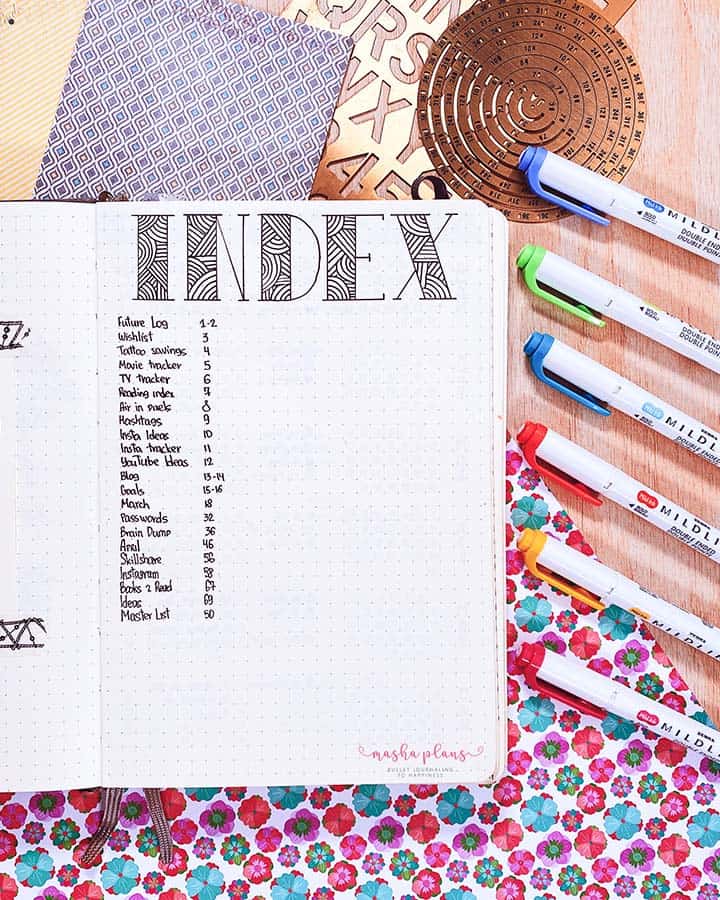
This layout is like your map towards your entries. Whatever you create in your journal, this is the page to help you find it in the future.
You might not need it in some cases, like if you use other ways to organise your information (like tabs), or if you don’t have any evergreen pages and just use your journal for planning day to day.
But it’s still good to try and see for yourself how useful this layout is for your organisation.
Future Log
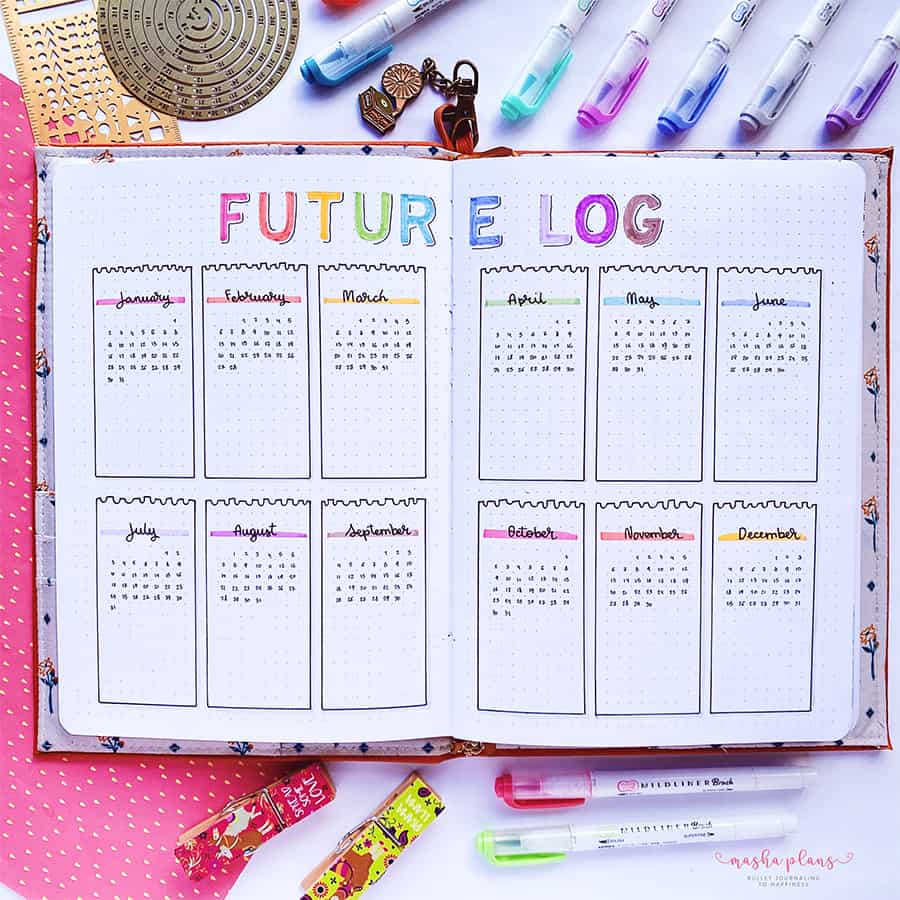
This is your year-at-a-glance layout. This is where you add all the important information for the year ahead- vacations, doctor’s appointments, big deadlines, birthdays.
Monthly Log
If a future log is made for future planning, a monthly log is there for planning your current month, and this is where you can add more details and plants for your month.
It also often comes together with a monthly to-do list, since this is basically your monthly planning dashboard.

Bullet Journal Weekly Spread
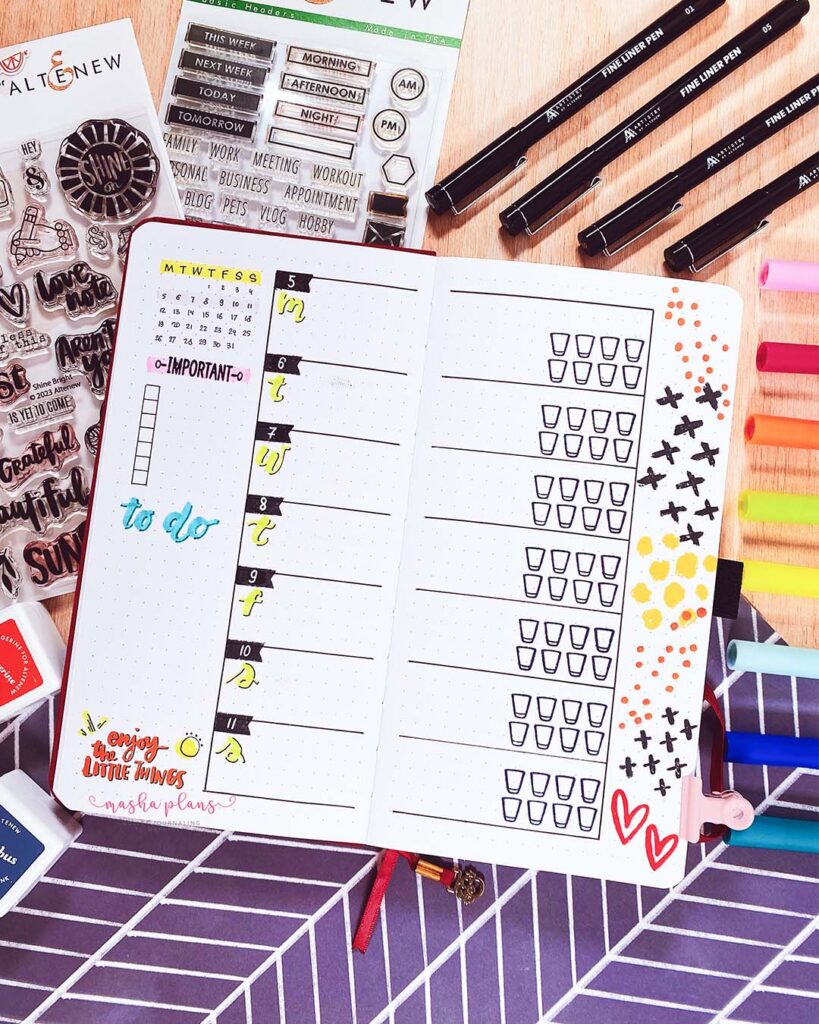
Weekly spreads are what I call the working horse of your planning. This is where you plan your day-to-day activities to ensure that you’re always organised and prepared for the day.
The best part of a weekly spread is that you get to add so many different elements depending on what your goals are.
Habit Tracker
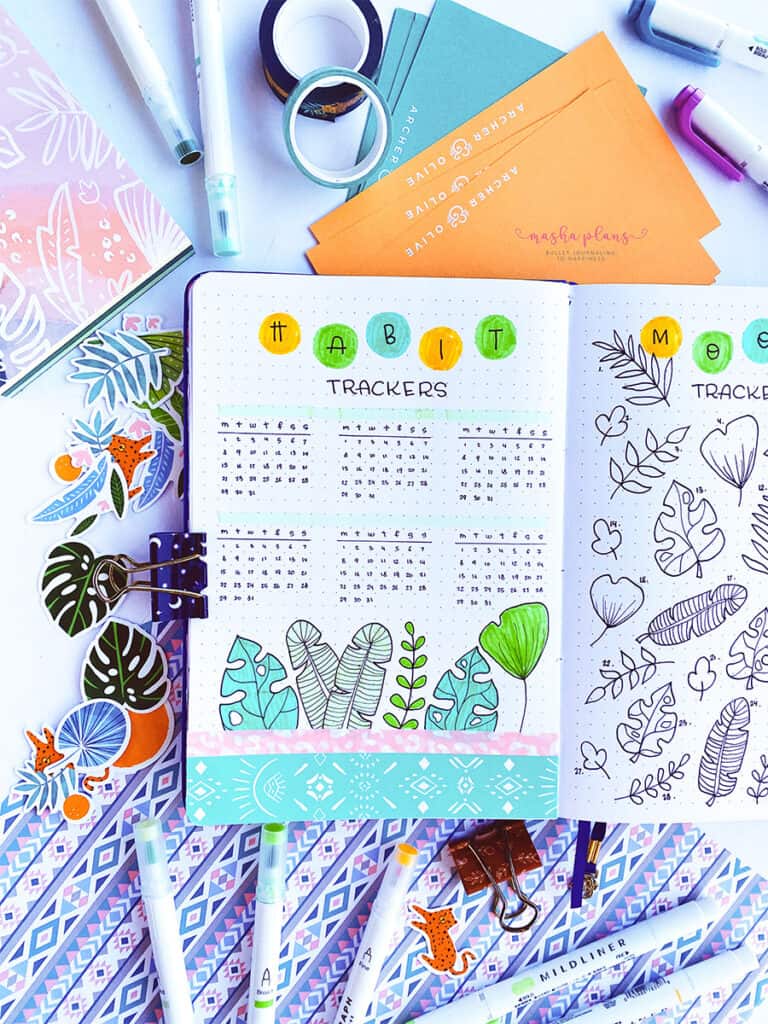
As they say, we are defined by the little things we do every day, so building better habits will ultimately lead you to create the better life you always wanted.
A habit tracker is a powerful tool for helping you build new, better habits and stop theold ones that don’t serve you anymore.
Mood Tracker
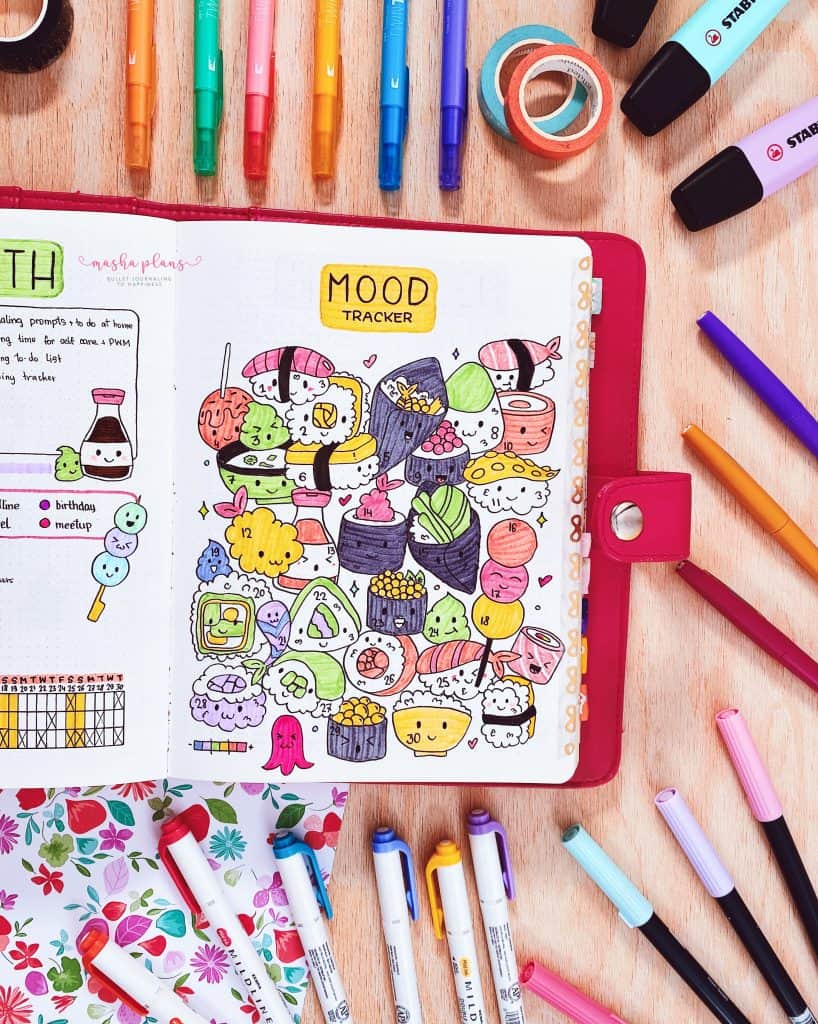
This is another very powerful layout that can help you improve yourself and, most importantly, understand yourself a little bit better.
This layout also works very well with other trackers, like a habit tracker or a sleep tracker. That way, you can see how much your mood is influenced by other factors and what things affect it.
Ultimately, you’ll learn more about yourself and how to regulate your moods.
Gratitude Log
A gratitude log is a very simple layout that requires minimal effort from you, but can bring so much to your life.
All you need is to spend a minute a day remembering something good that happened, something you’re grateful for. And as a result, you’ll teach your brain to remember more of the good things and to notice the little happiness you have in your everyday.

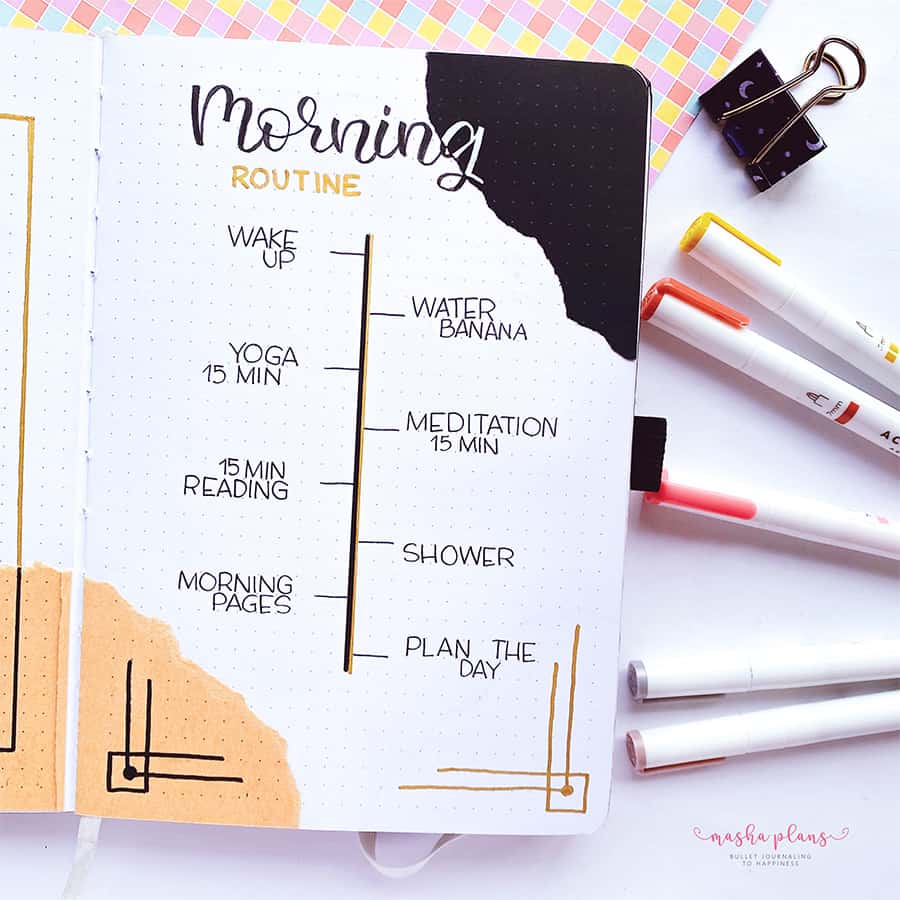
Routine Spread
Routines are a wonderful way to build better habits, better days, and find yourself changing your life with much more ease.
Having a layout that clearly sets routines for you will help you visualise it and stick to it as the year goes.
Brain Dump
Brain dumping is a wonderful tool to help you offload your mind and start getting all the things well organised.
All you need is to use one page to put on paper all the things that are occupying your mind and keeping you anxious. Once they are on paper, it will be easy to start working through it all

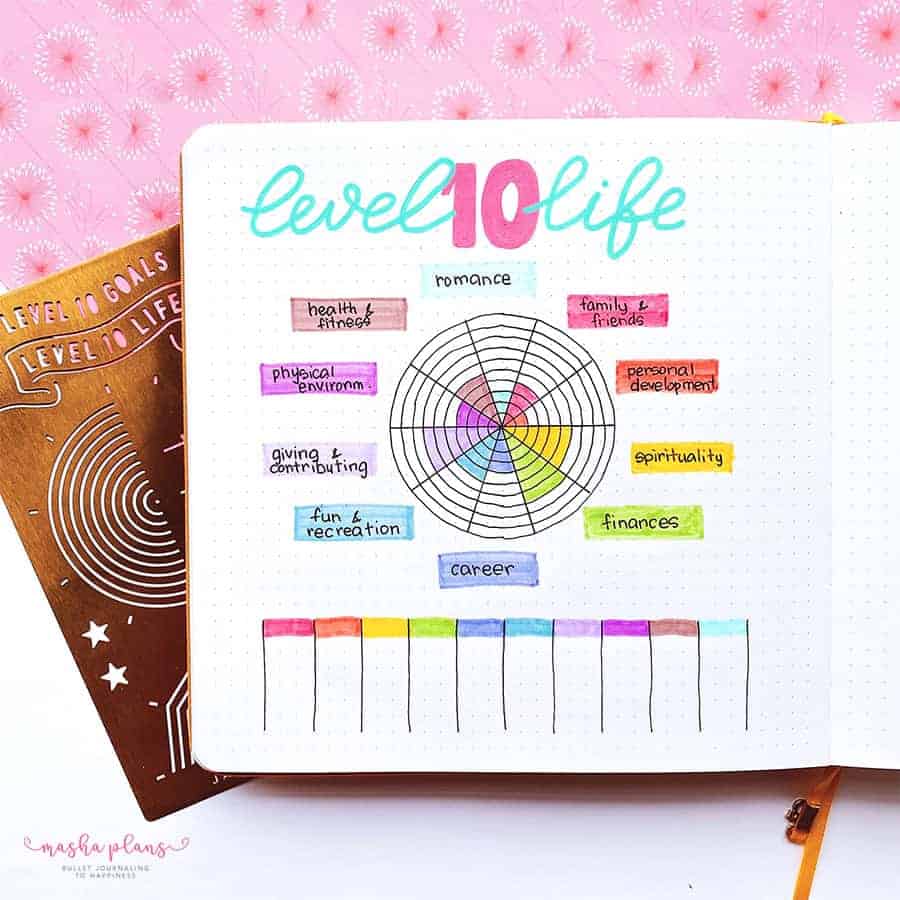
Level 10 Life
If you’re planning to use your Bullet Journal for goal setting, the Level 10 Life technique might be the perfect one for you.
All you need to do is evaluate all core areas of your life, and then set the goals for each area that would help you make it better.
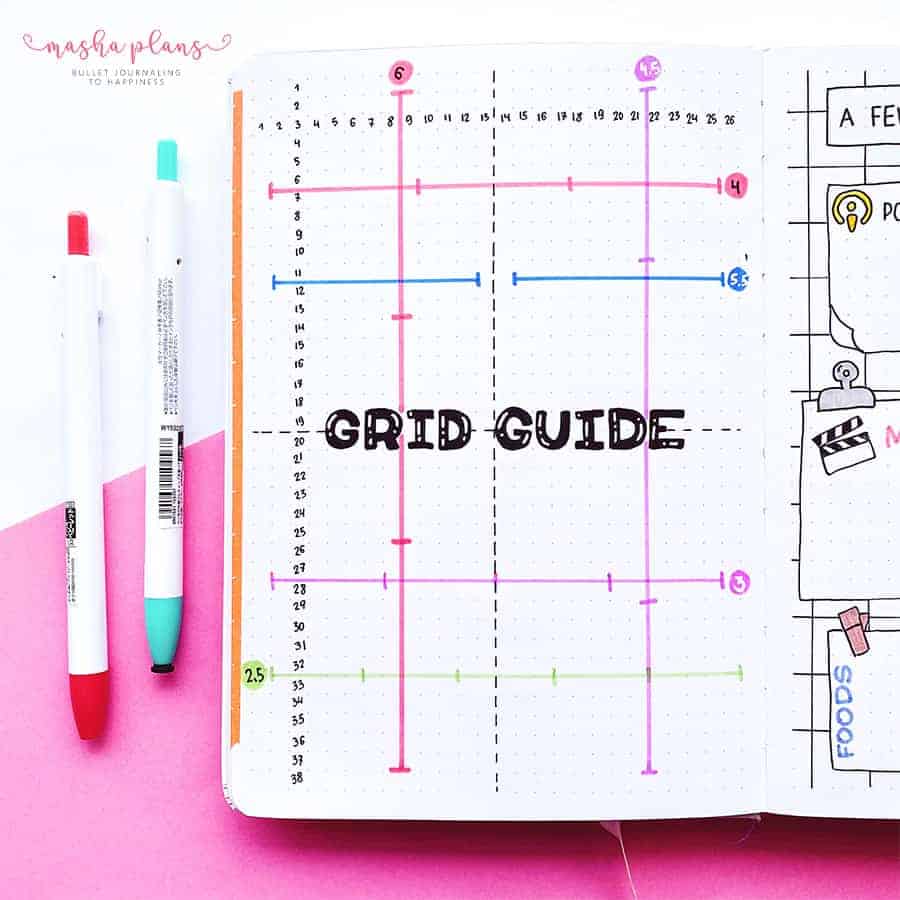
Grid Guide
This little spread can be an absolute game-changer for you! It’s incredible to help you easily divide your journal pages so you can create your layouts in half the time, with all the math already done for you.
Monthly Review Page
Review pages are always very useful – they help you check on yourself and your progress, see that you still have the goals you do and still move in the direction that feels right for you.
You can also use your monthly review page to help you check on how your Bullet Journal is working for you and if you need some adjustments for it.

And that’s it for now. Here are 13 pages for you to consider as a beginner. Keep on scrolling until the end to get even more page recommendations.
Free Bullet Journal Printables
As I always say, the best way to figure out the perfect Bullet Journal setup for you is to try out new pages, and the best way to try new pages is by using printables.
Thankfully, you can already find plenty of printable pages in the Resources Vault, many of which are on this list.
If you don’t have access yet, you can always sign up in the form below.
Once you confirm your subscription, you’ll get the password to get 50+ free Bullet Journal printables, stickers, and worksheets to use right away.
If you’ve never used printables before, be sure to check my post How To Use Printables In Your Bullet Journal.
It’s pretty basic, and you can find all the supplies you need in my post Supplies For Using Bullet Journal Printables.
More Resources
There is always more to try, more to explore. Here on this site, I have plenty more blog posts with ideas for you to explore.
So here are some posts for you to check next:
- Easy & Cute Bullet Journal Ideas For Beginners
- 17 Bullet Journal Spreads For Beginners
- What To Write In A Bullet Journal: 11 Page Ideas For Beginners
>>> What kind of page will you be adding to your Bullet Journal? Let us know in the comments!
Hope this post was interesting. If you find it so, please share! If you enjoy my content and want to show your appreciation, please consider supporting me with a cup of coffee.
And remember: Keep Journaling, and Don’t Be A Blob!